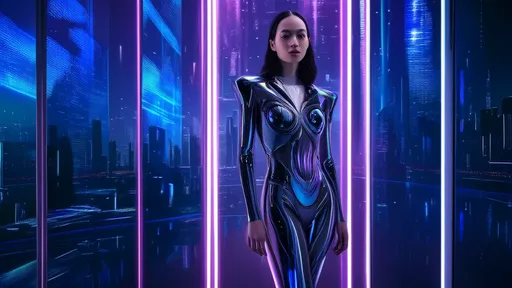
In an era where digital experiences are reshaping how we interact with fashion, VOGUE has embarked on an ambitious experiment that blurs the lines between physical magazines and digital innovation. The iconic fashion publication has launched what industry insiders are calling its most radical transformation since the shift from print to digital - a complete reimagining of fashion curation through immersive digital experiences.
The project, quietly developed over eighteen months by VOGUE's experimental division, represents more than just another digital edition. It's an entirely new ecosystem where fashion storytelling meets cutting-edge technology. At its core lies the concept of "living editorials" - dynamic content that evolves based on user interaction, cultural trends, and even real-world fashion events.
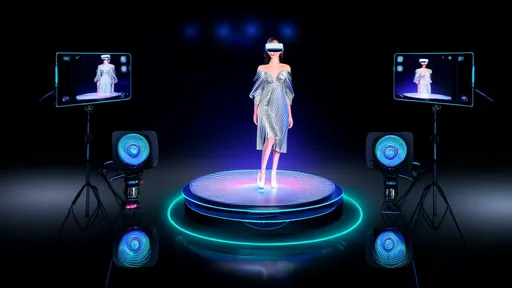
What makes this initiative particularly fascinating is how it challenges traditional notions of magazine issues. Instead of static monthly editions, VOGUE's digital curation experiment presents fashion content as an ever-changing stream. Collections appear not just as photographed spreads but as interactive experiences where readers can explore fabric textures through haptic feedback, view garments from 360-degree angles, and even visualize how pieces might look in different settings.
The technology behind this transformation is as impressive as the creative vision. VOGUE has partnered with several tech startups specializing in augmented reality and machine learning to create what they're calling "context-aware fashion narratives." These digital stories adapt their presentation based on factors like the viewer's location, time of day, and even weather conditions. A winter coat feature might display differently to someone browsing in Oslo versus Sydney, showing appropriate styling for each climate.
Perhaps the most revolutionary aspect is how the platform handles vintage content. Using sophisticated algorithms, the system can resurface relevant archive material in new contexts. A contemporary article about sustainable fashion might automatically pull in historical VOGUE pieces about 1970s DIY clothing movements, creating unexpected connections across decades. This living archive approach gives new depth to fashion history while keeping it dynamically engaged with current trends.
User interaction plays a central role in shaping the experience. Unlike traditional magazines where the editorial team makes all curatorial decisions, this digital experiment incorporates crowd-sourced elements. Readers can influence which designers get featured more prominently, vote on their favorite styling combinations, and even contribute to ongoing fashion debates through integrated discussion platforms. This democratization of fashion curation marks a significant departure from VOGUE's traditionally top-down editorial approach.
The commercial implications are equally innovative. Rather than relying solely on traditional advertising, the platform introduces what VOGUE calls "organic product integration." When readers engage with specific items in digital editorials, they can access multiple purchasing options, styling suggestions from different price points, and even peer reviews - all without leaving the editorial experience. Early data suggests this seamless integration results in significantly higher engagement with sponsored content compared to traditional digital ads.
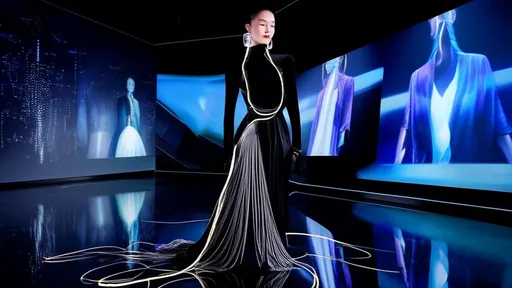
Critically, the experiment isn't just about flashy technology. The editorial team has worked meticulously to ensure the digital format enhances rather than replaces the magazine's renowned storytelling. Long-form articles now incorporate dynamic visual essays that unfold as the reader progresses. Profile pieces on designers include interactive timelines of their creative evolution. Even the iconic VOGUE covers have been reimagined as "living portraits" that can reveal behind-the-scenes content when engaged with.
The response from the fashion community has been notably enthusiastic. Emerging designers particularly appreciate how the platform gives their creations equal digital real estate alongside established houses. "For the first time, my collection appeared right next to Chanel in a way that felt organic rather than hierarchical," shared one young designer featured in the experiment's debut. This leveling effect could potentially reshape how fashion discovers and promotes new talent.
As with any radical innovation, challenges remain. Some traditional readers express concern about losing the tactile pleasure of print magazines, while others worry about information overload from the constantly updating content. The VOGUE team acknowledges these concerns, emphasizing that the digital experiment is meant to complement rather than replace their other offerings. They've also implemented customizable viewing modes that allow users to simplify the experience if desired.
Looking ahead, VOGUE's digital curation experiment hints at where fashion media might be heading. As augmented reality glasses and other wearable tech become mainstream, these immersive, adaptive fashion narratives could become the primary way people engage with style content. The project's lead developer hinted at future integrations with smart mirrors and virtual dressing rooms, suggesting this is just the beginning of a much larger transformation.
What makes this initiative truly significant isn't just the technology itself, but how it redefines the relationship between fashion publications and their audiences. By creating a platform that's responsive, interactive, and constantly evolving, VOGUE isn't just adapting to the digital age - it's attempting to shape what fashion media can become in an increasingly connected world. The experiment raises fascinating questions about authorship in fashion journalism, the lifespan of editorial content, and how we define a "magazine" in the 21st century.
As other publications watch VOGUE's bold move with keen interest, one thing becomes clear: the future of fashion media won't be about replicating print experiences digitally, but about creating something entirely new that could only exist in our connected present. Whether this experiment becomes the new standard or remains an ambitious prototype, it has undoubtedly expanded the possibilities of what fashion communication can be.
By /Aug 13, 2025

By /Aug 13, 2025
By /Aug 13, 2025
By /Aug 13, 2025
By /Aug 13, 2025
By /Aug 13, 2025

By /Aug 13, 2025
By /Aug 13, 2025
By /Aug 13, 2025
By /Aug 13, 2025
By /Aug 13, 2025
By /Aug 13, 2025
By /Aug 13, 2025
By /Aug 13, 2025

By /Aug 13, 2025
By /Aug 13, 2025
By /Aug 13, 2025
By /Aug 13, 2025
By /Aug 13, 2025
By /Aug 13, 2025
