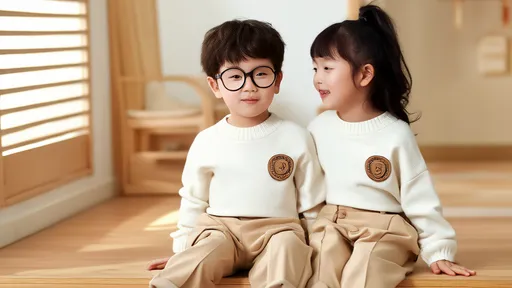
The concept of gender-neutral children's clothing has been steadily gaining traction in recent years, challenging traditional norms and sparking conversations about identity, expression, and inclusivity. As parents, educators, and advocates push for a more progressive approach to childhood development, the fashion industry has begun to respond with collections that defy the pink-and-blue binary. But how ready is the mainstream market to embrace this shift? A closer look at consumer attitudes reveals a complex landscape of enthusiasm, hesitation, and evolving perspectives.
For decades, children's clothing aisles have been sharply divided along gender lines—frilly dresses and pastel tones for girls, rugged designs and primary colors for boys. This rigid categorization often starts at birth, with retailers and marketers reinforcing stereotypes through every stitch and seam. However, a growing number of parents are questioning why a child's wardrobe should be limited by societal expectations rather than personal comfort or preference. The rise of gender-neutral options speaks to this cultural moment, offering styles that prioritize functionality, creativity, and self-expression over outdated conventions.
Market research indicates a notable generational divide in acceptance levels. Millennial and Gen Z parents, who came of age during heightened discussions around gender fluidity, are far more likely to purchase unisex clothing for their children compared to older demographics. Social media has played a pivotal role in normalizing these choices, with influencers and everyday families showcasing gender-neutral outfits that range from minimalist designs to bold, playful patterns. Yet despite this visibility, some segments of the population remain skeptical, citing concerns about "confusing" children or erasing biological differences.
Retailers navigating this space face both opportunities and challenges. Major brands like Zara, H&M, and Target have introduced gender-neutral lines with varying degrees of success. The key, according to industry analysts, lies in avoiding tokenism. Consumers can spot performative inclusivity from a mile away—what resonates are authentic efforts to rethink children's fashion from the ground up. This means moving beyond simply removing gendered labels and instead designing pieces that genuinely appeal to all children, whether through adaptable sizing, versatile color palettes, or innovative fabrics.
Economic factors also influence market readiness. Gender-neutral clothing often carries a perception of being premium or niche, which can translate to higher price points. While some parents are willing to pay extra for ethically made, sustainable options, others balk at the idea of spending more on items they view as unnecessarily politicized. Bridging this gap requires clear communication about the practical benefits of unisex clothing—such as extended wearability between siblings or seasons—rather than framing it solely as a social statement.
Interestingly, children themselves are emerging as powerful drivers of change. Free from the biases that adults accumulate over time, many kids naturally gravitate toward what feels good rather than what's deemed "appropriate" for their gender. Parents report instances of sons insisting on sparkly shoes or daughters preferring dinosaur prints, behaviors that challenge preconceived notions about innate preferences. This organic pushback against gendered marketing suggests that future demand for neutral options may come directly from the youngest consumers.
The educational sphere has become an unexpected battleground in this sartorial revolution. Schools with strict dress codes often reinforce traditional gender norms through policies about skirt lengths or hair accessories. However, progressive institutions are increasingly adopting uniform options that allow all students to choose between pants, shorts, skirts, or jumpers regardless of gender. These small but significant changes demonstrate how fashion intersects with broader conversations about equality and personal autonomy from an early age.
Global perspectives add another layer of complexity to the acceptance equation. Scandinavian countries, long known for their egalitarian values, have been early adopters of gender-neutral childrenswear, with brands like Polarn O. Pyret leading the charge. In contrast, more conservative regions may view the trend with suspicion or outright hostility. Even within receptive markets, cultural differences affect how the concept is implemented—while some parents embrace fully androgynous looks, others prefer subtle neutrality through interchangeable basics like jeans and sweatshirts.
Looking ahead, the trajectory for gender-neutral children's clothing appears promising but not without obstacles. As with any societal shift, widespread adoption will require time, education, and visible representation across media and retail spaces. What began as a niche movement has blossomed into a legitimate market force, one that reflects changing attitudes about childhood, identity, and the freedom to choose. The clothes may be designed for kids, but the message resonates far beyond the playground—perhaps that's exactly why this conversation matters.

By /Aug 13, 2025

By /Aug 13, 2025
By /Aug 13, 2025

By /Aug 13, 2025

By /Aug 13, 2025

By /Aug 13, 2025

By /Aug 13, 2025

By /Aug 13, 2025

By /Aug 13, 2025

By /Aug 13, 2025

By /Aug 13, 2025

By /Aug 13, 2025
By /Aug 13, 2025
By /Aug 13, 2025

By /Aug 13, 2025
By /Aug 13, 2025

By /Aug 13, 2025
By /Aug 13, 2025
By /Aug 13, 2025
By /Aug 13, 2025
